
Reduces winter heat loss
Uninsulated brick walls can account for up to 35% of a home’s winter heat loss. Cavity insulation slows this transfer, keeping indoor temperatures steadier and reducing the need for heating.
Junction Village Wall Insulation
Cavity wall insulation for Junction Village homes stops winter heat loss through brick veneer and double brick walls. We install it through small holes that are patched afterwards, with no need to remove internal linings.
Share your details and Expert Insulation Melbourne will contact you about Cavity Wall Insulation in Junction Village.
Cavity wall insulation fills the gap between the inner and outer leaves of brick veneer or double brick walls with a suitable insulating material. In Junction Village, this is done by drilling small access holes in the mortar, injecting the insulation and then sealing the holes to match the existing brickwork. It is a non-invasive way to improve thermal resistance in older brick homes without major renovations.
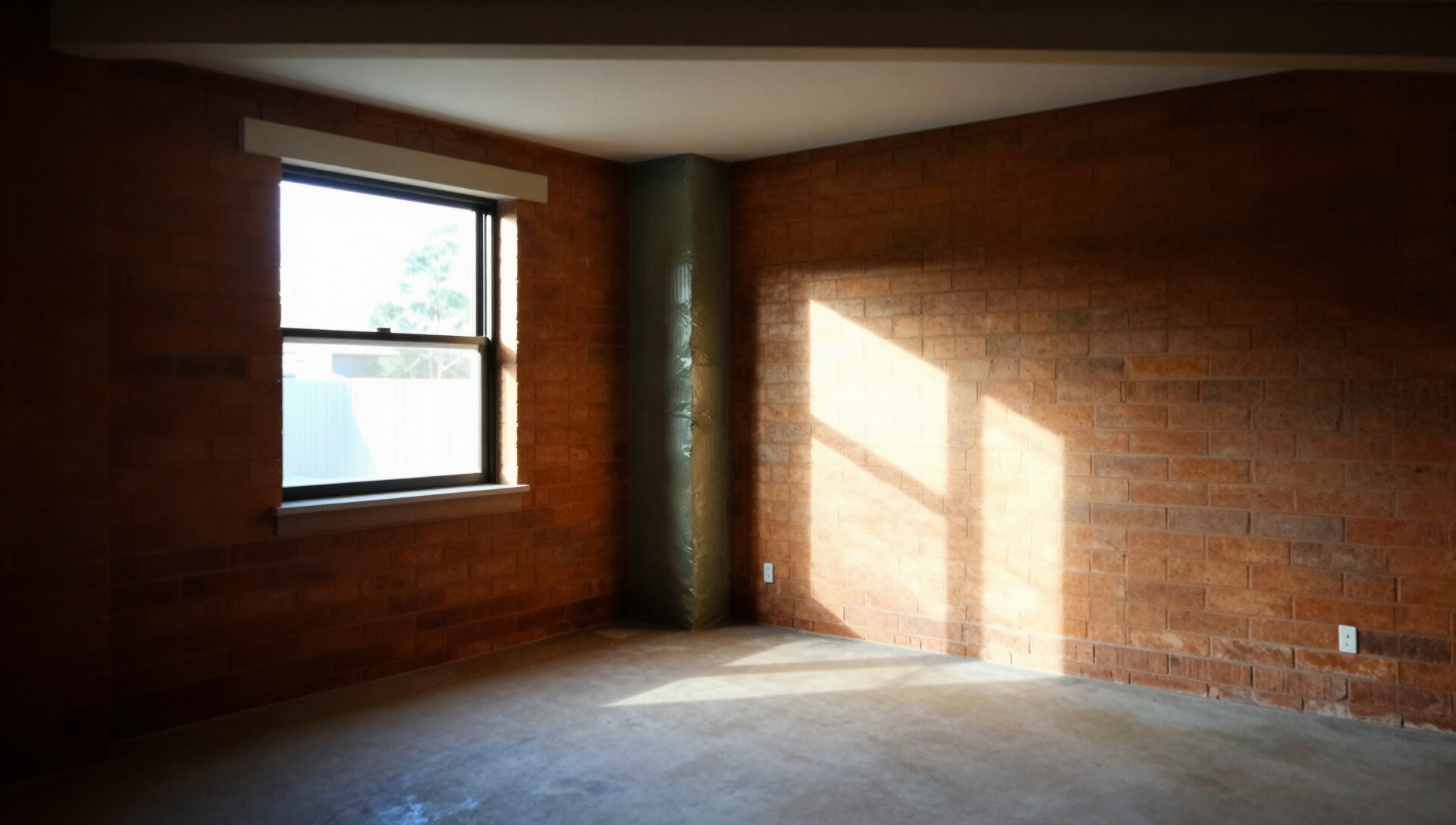
Junction Village experiences cold winters and hot summers, and uninsulated brick walls are a major source of heat loss in winter and heat gain in summer. Cavity wall insulation addresses this by adding a thermal barrier within the wall structure.
Uninsulated brick walls can account for up to 35% of a home’s winter heat loss. Cavity insulation slows this transfer, keeping indoor temperatures steadier and reducing the need for heating.
During Melbourne’s hot summers, external brickwork absorbs heat that radiates inward. Cavity insulation reflects and resists this radiant heat, easing the load on cooling systems.
By stabilising indoor temperatures, cavity wall insulation reduces reliance on heaters and air conditioners, lowering energy bills year-round.
The work is done from the outside, so there is no need to remove plaster, cornices or internal wall linings. Furniture and fittings remain undisturbed.
Access holes are small and carefully colour-matched when patched. Once complete, the only sign is a more comfortable home and lower energy costs.
Unlike bulk insulation, cavity filling can be retrofitted to existing brick homes without opening up the walls, making it ideal for established Junction Village properties.
Our cavity wall insulation process is methodical and tailored to each Junction Village home. We start with a thorough inspection to confirm the wall type and condition before any work begins.
We check the wall construction, cavity width and moisture levels. Brick veneer and double brick walls are typically suitable, but we confirm there are no damp issues or structural concerns that would prevent installation.
Small holes are drilled in the mortar joints at regular intervals, usually every 600mm to 1000mm. These provide entry points for the insulation material without damaging the bricks.
Using specialised equipment, we inject the chosen insulation material into the cavity. This is done systematically from the bottom up to ensure full coverage and avoid voids.
Once the cavity is filled, the access holes are sealed with a colour-matched mortar. The finish blends with the existing brickwork, leaving the exterior looking as it did before.
Junction Village is part of Melbourne’s south-eastern growth corridor, with many homes built in the 1990s and 2000s featuring brick veneer construction. These homes often lack wall insulation, leading to cold walls in winter and overheated interiors in summer. Cavity wall insulation is a practical upgrade for these properties, improving comfort without the cost and disruption of major renovations. Nearby suburbs like Cranbourne and Lynbrook share similar housing stock and climate challenges, making cavity insulation a smart investment across the area.
Improve thermal performance in your Junction Village brick home with cavity wall insulation installed from the outside.
Homeowners in Junction Village often have questions about how cavity wall insulation works, whether their home is suitable and what to expect from the process. Here are the answers to the most common queries.
Cavity wall insulation in Junction Village targets the hidden gap in brick veneer and double brick walls to block heat transfer. Many homes in this suburb were built without wall insulation, relying only on ceiling batts to manage temperature. This leaves walls as a major weak point, especially during Melbourne’s cold winters and hot summers. Filling the cavity with insulation material reduces heat loss in winter and heat gain in summer, making the home more energy efficient and comfortable.
The process is designed to be unobtrusive. Small holes are drilled into the mortar, and insulation is injected into the cavity. Once filled, the holes are sealed with matching mortar, so the exterior looks unchanged. This method is particularly suited to Junction Village’s brick homes, where retrofitting bulk insulation would require removing internal linings. Cavity insulation avoids this disruption while still delivering significant thermal benefits.
Not all walls are suitable for cavity insulation. We inspect each Junction Village property to confirm the wall type, cavity width and moisture levels before proceeding. If the cavity is too narrow, or if there are damp issues, we advise on alternative solutions. For most brick veneer and double brick homes in the area, cavity wall insulation is a straightforward and effective upgrade that pays for itself through reduced heating and cooling costs.
If your Junction Village home has uninsulated brick walls, cavity insulation can make a noticeable difference to comfort and energy bills. Contact us to arrange an inspection and quote.